
Introduction: Why Virtual Staging Matters for Realtors
Imagine a potential buyer scrolling through dozens of property listings. They stop at a beautifully furnished living room. The furniture looks inviting, the space feels warm, and they can immediately picture themselves living there.
Now imagine the same room completely empty. The walls, windows, and flooring are visible, but the buyer struggles to understand how the space could work for their family.
Which image communicates the home’s potential more clearly?
This is where virtual staging for real estate listings can help.
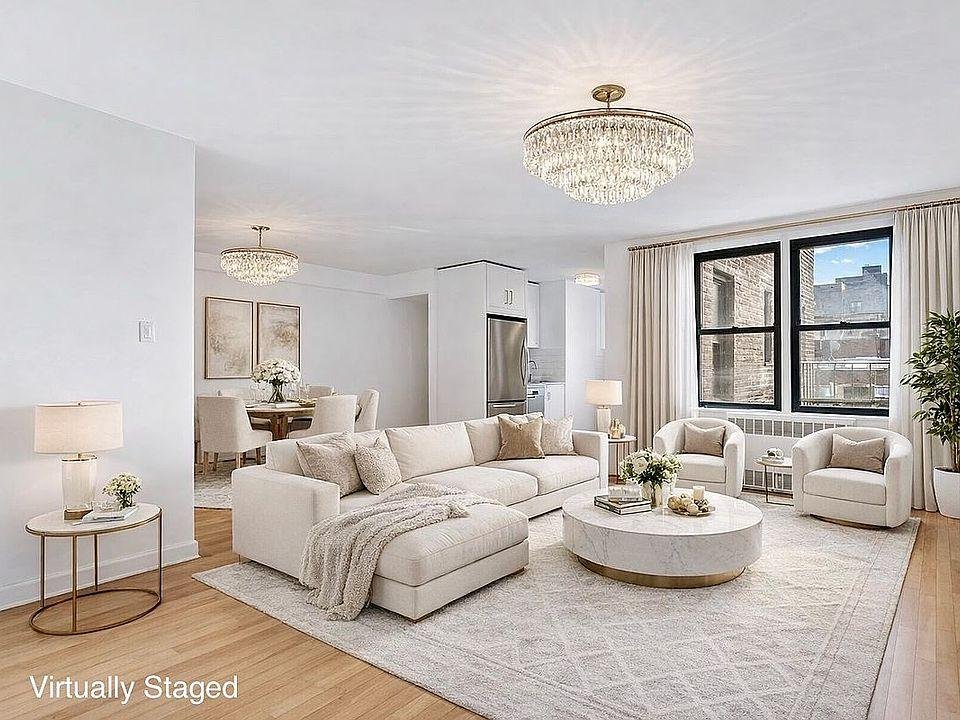
Virtual staging uses digital technology to add furniture, décor, and interior design elements to property photographs. Instead of physically moving furniture into a home, you can present a realistic visual concept of how the space might look when furnished.
For you as a realtor, this creates another way to showcase properties online. For home sellers, it can help present vacant rooms more effectively. For home builders, it can turn unfurnished interiors into engaging marketing visuals.
But virtual staging isn’t a magic formula for selling a home. Its real value comes from using it thoughtfully, accurately, and as part of a broader marketing strategy.
Let’s explore the key benefits and how you can put them to work.
What Is Virtual Staging and How Does It Work?
Virtual staging is the process of digitally furnishing and decorating a property photograph. A professional service or AI-powered tool can add sofas, tables, beds, artwork, lighting elements, and other decorative details.
The process typically follows these steps:
-
You provide a photograph of an empty or existing room.
-
You select a design style, such as modern, contemporary, or Scandinavian.
-
The staging provider creates a digitally furnished image.
-
You review the result and request adjustments if needed.
-
You use the approved image in your marketing materials, with appropriate disclosure.
Think of virtual staging as an interior design concept layered onto a photograph. The goal is to help buyers visualize possibilities while keeping the actual property accurately represented.
Unlike traditional staging, you don’t need to arrange physical furniture in the home. However, virtual staging doesn’t replace the value of an in-person viewing, professional photography, or accurate property information.
10 Key Benefits of Virtual Staging for Realtors
This is the heart of the article. Virtual staging can support your marketing workflow in several practical ways, especially when you need to present empty rooms, demonstrate design possibilities, or create consistent visual content.
1. Create More Attractive Real Estate Listing Photos
Your listing photos often provide a buyer’s first impression of a property. When a room is empty, it may look smaller, less inviting, or harder to understand.
Virtual staging lets you add carefully selected furnishings that demonstrate the room’s potential.
For example, an empty 12-by-15-foot living room could be shown with a properly scaled sofa, coffee table, and two accent chairs. The furniture gives the viewer a practical idea of how the space might function.
Actionable tip: Stage your most important rooms first, such as the living room, primary bedroom, and dining area. Use furniture that fits the room rather than filling every available space.
Remember, attractive doesn’t mean exaggerated. A realistic image that respects the room’s proportions is more useful than an image packed with oversized furniture.

2. Help Potential Buyers Visualize Their Future Home
An empty room is like a blank canvas. Some buyers can imagine its possibilities immediately. Others need a little help.
Virtual staging provides a visual starting point.
A bedroom with a bed, nightstands, and a dresser can help a buyer understand how the room might function. A staged basement can illustrate a possible family room, office, or entertainment area.
You aren’t telling buyers how they must use the space. You’re showing one possible arrangement.
Actionable tip: Select furniture based on the room’s intended function and actual dimensions. Keep doors, windows, walkways, and fixed features visible and accurate.
The goal is to make visualization easier, not to make decisions for the buyer.
3. Strengthen Your Online Real Estate Marketing
Your marketing doesn’t stop at the MLS or property listing website. You may also promote homes through your website, social media, email newsletters, and online advertising.
Virtual staging can give you additional visual assets for these channels.
For example, you could use a staged living room image in a property announcement, a carousel on social media, or a blog article about a new listing. You can also compare design concepts to create educational or promotional content.
However, the image should remain suitable for its intended purpose. A listing photograph, social media graphic, and vertical video thumbnail may require different dimensions and compositions.
Actionable tip: Ask your virtual staging provider for high-resolution images and formats suitable for your main marketing platforms. Keep your branding consistent without allowing logos or graphics to obscure important property details.
4. Offer a Flexible Alternative to Physical Staging
Traditional home staging can involve furniture delivery, installation, storage, and coordination. Virtual staging takes a different approach by creating furnished images digitally.
That flexibility can be useful when you’re marketing several properties or working with a vacant home.
You can explore different design styles without physically changing the room. A single living room might be presented in a minimalist style for one campaign and a warmer transitional style for another.
Of course, virtual staging still requires time, planning, and a service fee. It also doesn’t give buyers the experience of physically walking through a furnished space.
Actionable tip: Compare the needs of each property before choosing your staging approach. Consider the property type, target buyer, marketing budget, and whether physical staging would provide additional value.
5. Support Marketing for Vacant Homes
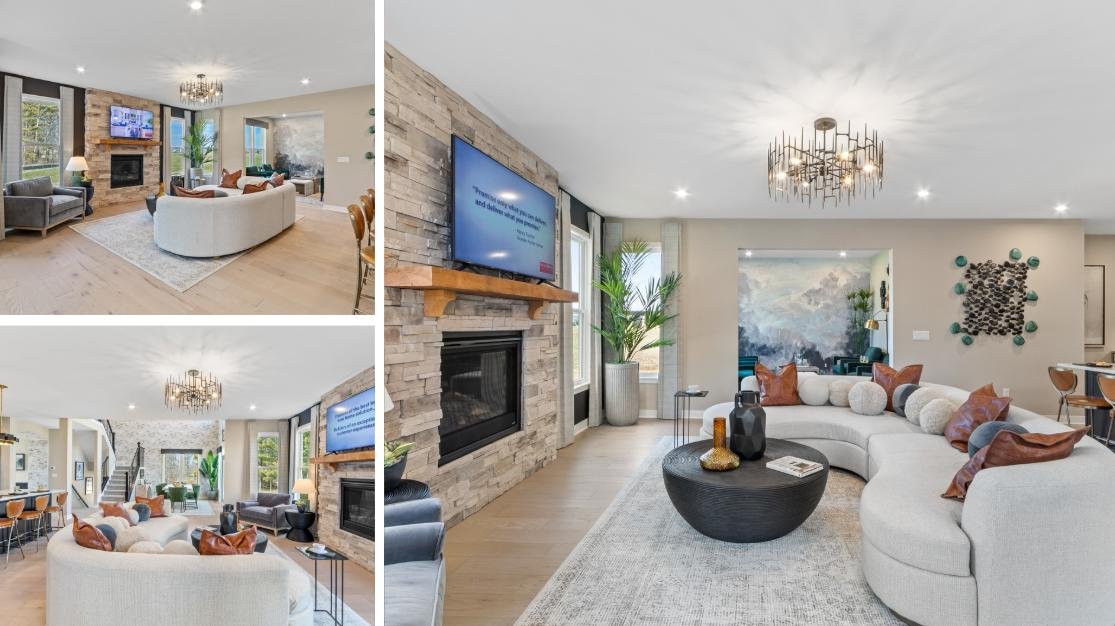
Vacant properties can present a challenge. Without furniture, it may be difficult for some buyers to judge the scale of a room or imagine everyday living.
Virtual staging can help you create a more informative visual presentation.
For instance, you could show a vacant dining room with a table and six chairs, or a large primary bedroom with a bed and storage furniture. These additions can communicate how the space might be used.
Be careful, though: furniture should never conceal damage, alter the apparent size of the room, or misrepresent features that aren’t present.
Actionable tip: Pair staged images with accurate, unaltered photographs when appropriate. Clearly identify the digitally staged visuals so buyers know what they’re viewing.
6. Showcase Different Interior Design Styles
Every buyer has different tastes. Some prefer clean modern interiors, while others like traditional, coastal, or contemporary designs.
Virtual staging allows you to demonstrate different aesthetic possibilities using the same room photograph.
A home with neutral finishes might work well with a Scandinavian design featuring light wood and simple furniture. A larger luxury property might suit a more refined, upscale presentation.
The key is to select a style that complements the property’s architecture and intended market.
Actionable tip: Choose one primary design direction for each listing. Avoid switching between unrelated styles without a clear marketing purpose. Your staging should feel intentional, not random.
7. Help Realtors Present Properties to Different Target Buyers
Your marketing approach should reflect the property you’re promoting. A downtown condominium, suburban family home, and luxury estate may each benefit from different visual presentations.
Virtual staging can help you illustrate lifestyle possibilities that align with the room’s function.
For a family home, you might show a practical living room arrangement with comfortable seating. For a condominium, you could emphasize efficient furniture placement and a clean, contemporary look.
This doesn’t mean you can predict exactly what every buyer wants. Instead, you can use design choices to communicate the property’s possibilities more clearly.
Actionable tip: Before staging, identify the room’s main selling point. Is it the open layout, natural light, spaciousness, or flexibility? Let that feature guide your furniture selection.
8. Improve the Marketing Presentation of New Construction Homes
Home builders frequently need to market properties before every room has been furnished. This is where virtual staging can be particularly useful.
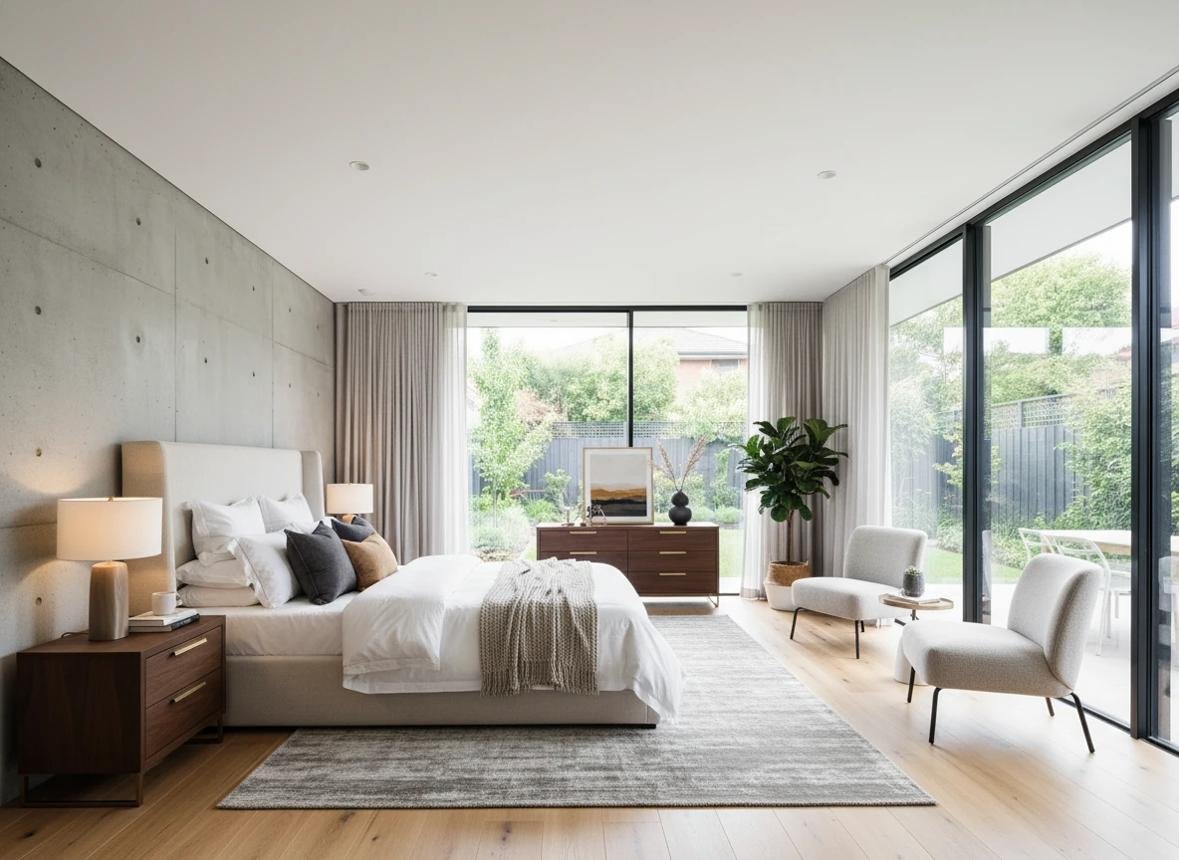
You can show how a new living room, bedroom, or basement might look once furnished, giving prospective buyers a clearer picture of the finished home.
For example, a builder marketing a new subdivision could use consistent virtual staging across multiple model homes. Each image can highlight the property’s actual layout while presenting a coordinated interior style.
Actionable tip: Make architectural preservation a non-negotiable requirement. The staging process should not add or remove windows, move doors, change room dimensions, or invent features that aren’t part of the home.
For new construction, coordinate the staging visuals with the builder’s actual specifications and available finishes.
9. Support Consistent Real Estate Branding
Your marketing materials reflect how you present your business. Inconsistent image quality or mismatched visual styles can make your listings feel disconnected.
Virtual staging can help you establish a repeatable visual approach.
You might use a clean contemporary style for a group of condominium listings, or a warm transitional style for suburban homes. Consistency can make your marketing materials easier to recognize and manage.
However, your brand shouldn’t become more important than the property itself. Every home has its own character.
Actionable tip: Create a simple staging brief that specifies preferred image quality, design direction, color preferences, and disclosure practices. Share it with your staging provider to reduce unnecessary revisions.
10. Develop More Versatile Real Estate Marketing Content
One professionally staged image can support more than a single listing page.
You can adapt your visual assets for blog posts, social media, email marketing, promotional presentations, and other digital campaigns. If you also create video content, staged images may serve as visual references or promotional elements.
For example, you could publish a short educational post showing how a vacant room might be furnished in three different ways. You could also use staged photos in an article explaining home design ideas for first-time buyers.
Actionable tip: Plan your marketing formats before generating images. Request the appropriate aspect ratio and resolution, and avoid stretching or cropping the image in ways that distort the room.

How Virtual Staging Can Benefit Home Sellers
As a realtor, you may work with sellers who aren’t sure whether virtual staging is worth considering. Your role is to explain its practical uses and set realistic expectations.
Virtual staging can help sellers present empty rooms more clearly, especially when the property relies heavily on online marketing. It may also offer a way to demonstrate possible furniture arrangements without physically staging the entire home.
But staging isn’t a substitute for good property preparation. Cleanliness, repairs, lighting, photography, and accurate descriptions still matter.
Make Empty Rooms Easier to Understand
A staged image can help a buyer interpret a room’s potential function. The furniture should be selected to fit the space and should not create a false impression of its size.
Present Interior Design Possibilities
A seller may want to show how a room could look with modern or traditional furniture. Digital staging provides an illustrative concept rather than a guarantee that the buyer will prefer that style.
Support Your Seller’s Marketing Strategy
Discuss which rooms need staging and how the images will be used. If you plan to include both original and staged photos, make the distinction clear.
How Home Builders Can Use Virtual Staging
Home builders can use virtual staging to communicate interior possibilities before a property is furnished.
For a newly built home, digitally furnished images can help buyers understand how the living room, bedrooms, and other spaces might function.
Showcase Unfurnished New Construction Interiors
Use realistic furniture arrangements to illustrate the purpose of rooms while preserving the actual architectural design.
Create Different Design Concepts for Model Homes
Explore styles that complement the home’s structure and intended buyer audience. Keep the design concepts distinct from the builder’s confirmed specifications.
Support Digital Marketing for New Developments
Virtually staged images can support builder websites, brochures, social media campaigns, and promotional presentations. Confirm that every image accurately reflects the property being marketed.
Virtual Staging Best Practices for Realtors
Virtual staging works best when you combine creative presentation with accurate property information. Follow these five guidelines to protect buyer trust and improve your results.
1. Preserve the Original Architecture and Room Layout
Never allow digital furniture to change the actual floor plan. Doors, windows, walls, stairs, and walkways should remain in their correct locations.
If your staging provider uses AI, review the output carefully. AI-generated images can sometimes introduce unintended changes, so human inspection remains important.
2. Use Realistic Furniture Scale and Placement
Furniture should fit the room. A sofa that is too large can make a space look smaller, while excessive decoration can distract from the property’s features.
Choose furniture that leaves reasonable walkways and supports the room’s intended use.
3. Select Styles That Match the Property
A minimalist design may suit a modern condominium, while a traditional arrangement might complement an older home. Consider the property’s architecture and intended audience.
Don’t choose a style simply because it looks fashionable. Choose one that helps the room communicate its potential.
4. Clearly Disclose Virtually Staged Images
Disclosure is essential. Buyers should understand when furniture or other visual elements have been digitally added.
Follow the applicable rules of your real estate board, listing platform, and local regulations. Requirements can differ, so verify the current standards before publishing.
5. Avoid Misleading Image Alterations
Adding furniture is different from hiding property defects or changing permanent features. Don’t use staging to conceal damage, make rooms appear larger, or represent nonexistent renovations as completed work.
Your objective is to create appealing visuals while maintaining honest marketing.
How to Choose a Professional Virtual Staging Service
The quality of your staged images depends partly on the service provider you choose. Before placing an order, evaluate the following factors.
Evaluate Image Quality and Photorealism
Look at the provider’s portfolio. Examine furniture edges, shadows, lighting, reflections, and perspective. Do the furnishings look like they belong in the room?
A good staged image should feel coherent rather than artificially pasted together.
Check Architectural Accuracy
Ask whether the provider guarantees preservation of the original architecture. Request a review process so you can flag incorrect doors, windows, room layouts, or other fixed features.
Compare Pricing and Turnaround Time
Pricing varies based on the provider, number of images, room complexity, revisions, and delivery requirements.
Request a current quote and confirm what the fee includes. Don’t choose a service based on price alone.
Ask About Revisions and Special Instructions
Can you request a different sofa, a new color palette, or a more suitable design style? A flexible workflow can help you achieve results that match your client’s needs.
Conclusion: Use Virtual Staging to Strengthen Your Real Estate Marketing
The benefits of virtual staging for realtors go beyond adding attractive furniture to empty rooms. When you use it strategically, virtual staging can help you present property possibilities, support online marketing, and create more versatile visual content for sellers and builders.
But remember: the strongest marketing images combine visual appeal with accuracy. Preserve the property’s actual layout, choose realistic furniture, disclose digital alterations, and review every image before publication.
Whether you’re marketing a vacant home, promoting a new construction project, or helping a seller prepare a listing, virtual staging gives you another tool to communicate value.
Your next step? Review your current property marketing workflow. Identify one or two listings where virtual staging could improve the presentation, then test a professionally prepared image and measure how it supports your marketing goals. Small, well-planned improvements can help you build a more effective and consistent real estate marketing strategy.
Frequently Asked Questions About Virtual Staging for Realtors
1. What are the main benefits of virtual staging for realtors?
Virtual staging can help you create attractive property images, illustrate furniture arrangements, support online marketing, and present vacant rooms more clearly. Its usefulness depends on the property, image quality, and your marketing strategy.
2. Is virtual staging worth it for realtors?
It may be worthwhile when you need to market vacant properties, produce design concepts, or create flexible listing visuals. Compare the service cost with your marketing goals, property needs, and available alternatives before making a decision.
3. Can virtual staging help sell a home faster?
Virtual staging may improve how a property is presented, but it does not guarantee a faster sale. Selling time depends on factors such as pricing, location, market conditions, property condition, and buyer demand. Evaluate staging as one part of your overall marketing plan.
4. Does virtual staging mislead buyers?
It can mislead buyers if images conceal defects, alter permanent features, or fail to disclose significant digital changes. Use clear disclosure, preserve architectural accuracy, and ensure that staged images illustrate possibilities rather than misrepresenting the actual property.
5. Can home builders use virtual staging for new construction homes?
Yes. Home builders can use virtual staging to showcase unfurnished interiors, illustrate design concepts, and create digital marketing visuals. The images should preserve the home’s actual architectural design and distinguish proposed décor from confirmed construction features.
Ready to showcase your properties?
If you’re a realtor, home builder, or home seller looking for professional virtual staging, explore your options for creating high-quality property marketing images.